If you’re looking to tap into the booming world of custom products, learning how to start a laser engraving business is a smart move. With the right approach, laser engraving can be a profitable venture, catering to a wide range of industries from personalized gifts to industrial marking. In this guide, we’ll walk you through every step of starting your own laser engraving business, from equipment choices to marketing strategies.
Why Start a Laser Engraving Business?
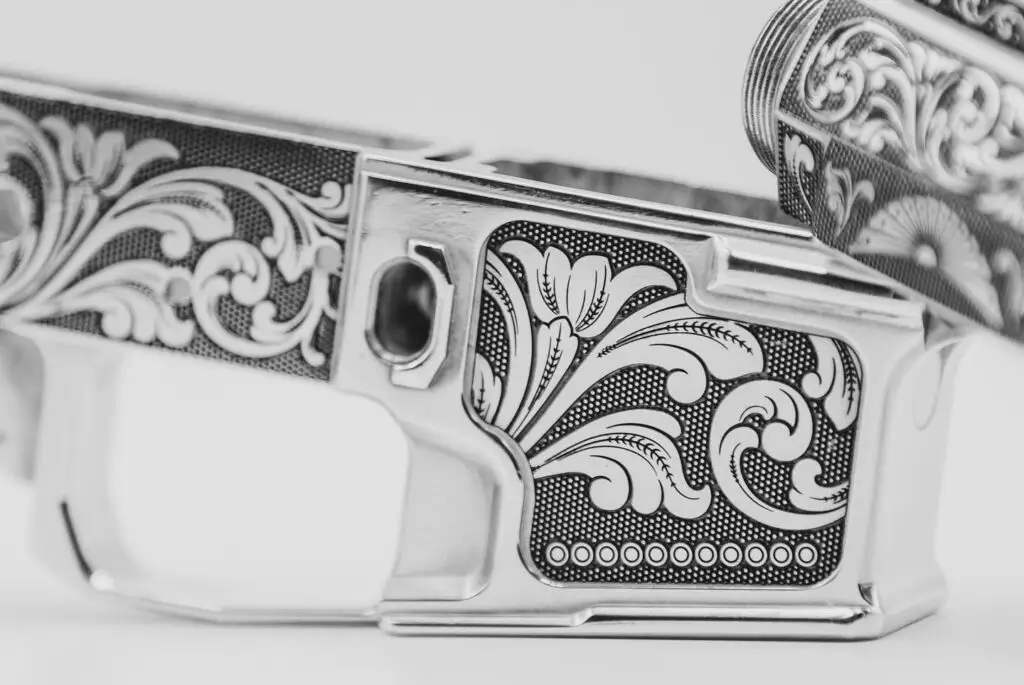
The laser engraving industry has experienced significant growth over the past few years, driven by the demand for personalized products and high-precision marking. Here are some compelling reasons to start a laser engraving business:
- Low Start-Up Costs: You don’t need a massive investment to start. Basic laser engraving machines can be affordable, and with proper planning, you can scale as your business grows.
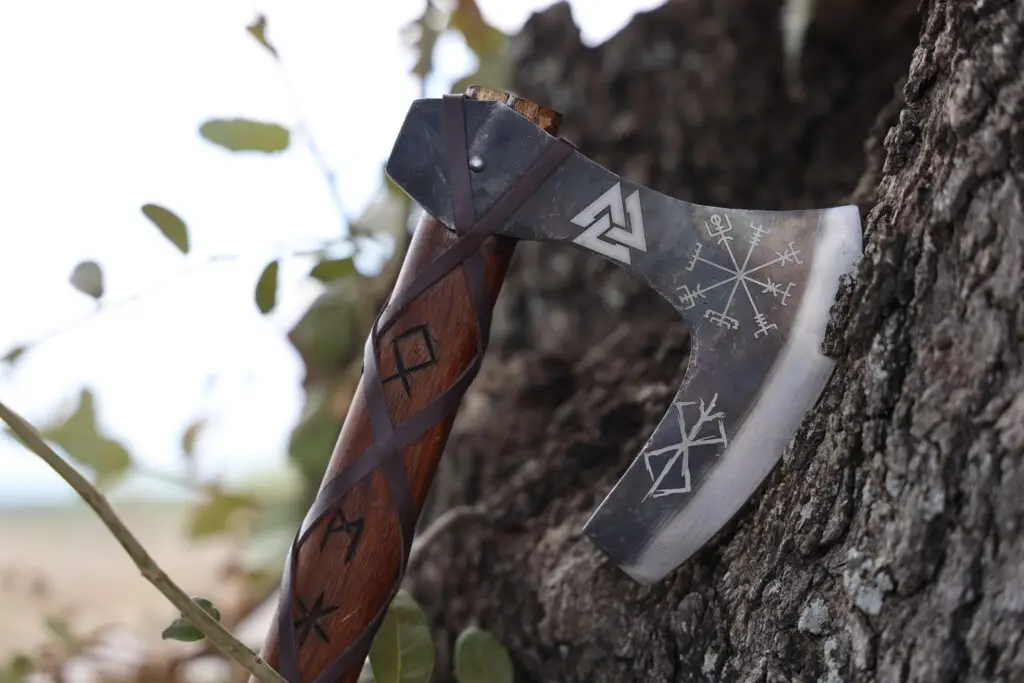
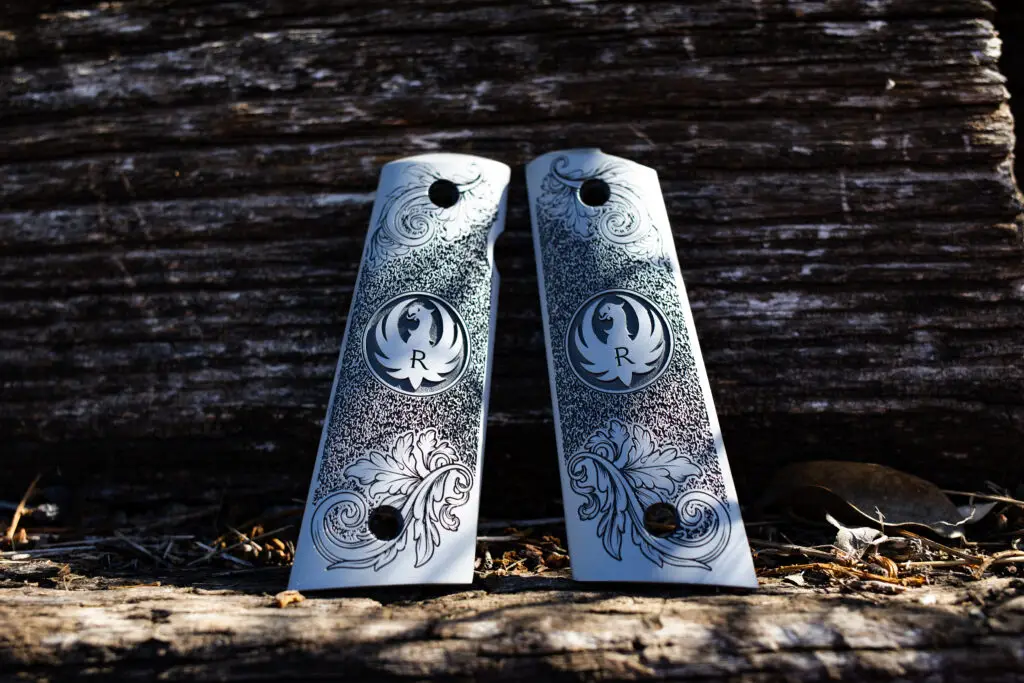
- Diverse Market Opportunities: From customized gifts and jewelry to industrial parts, the applications of laser engraving are endless.
- High Profit Margins: With a relatively low cost of materials, you can enjoy a healthy profit margin on each project.
- Flexibility: Whether you want to operate full-time or as a side hustle, laser engraving offers flexibility in work hours and scale.
Step 1: Research the Market and Define Your Niche
Before diving into any business, it’s essential to understand the market. Conduct thorough research on your local and online competition. Identify what products and services are in demand. Common niches include:
- Personalized gifts (wedding items, baby gifts, etc.)
- Corporate branding (customized office supplies, awards)
- Industrial engraving (machine parts, tools)
- Custom signage (indoor and outdoor signs)
Defining a niche will help you focus your efforts, target the right audience, and establish your brand identity.
Step 2: Invest in the Right Equipment
The heart of your laser engraving business is the laser engraver itself. There are several types of laser engravers, each with its advantages:
- CO2 Laser Engravers: Ideal for engraving non-metal materials like wood, acrylic, leather, and glass. These are perfect for beginners and are versatile enough for most common applications. See Product!
- Fiber Laser Engravers: Best for engraving metals and industrial applications. These machines are more expensive but offer high precision for specialized projects. See Product!
- Diode Laser Engravers: A more affordable option, suitable for hobbyists and small-scale projects. However, they may not provide the power or precision needed for professional-grade work.
When choosing your equipment, consider factors such as your niche, the materials you plan to work with, and your budget. Don’t forget to account for additional tools, such as air filtration systems and software for designing your engravings.
Step 3: Set Up Your Workspace
Your workspace is crucial for productivity and safety. Whether you’re working from home or renting a space, ensure you have:
- Adequate ventilation: Laser engraving can produce fumes, so a good ventilation system is essential.
- Proper lighting: Good lighting helps with precision and reduces eye strain.
- Safety equipment: Invest in safety glasses, fire extinguishers, and protective gear as needed.
Organize your workspace to maximize efficiency. Create designated areas for design, production, packaging, and storage.
Step 4: Learn the Craft and Master the Software
Before you start offering services, take the time to learn and perfect your craft. Many laser engravers come with their own software, but you might want to invest in professional design software like Adobe Illustrator, CorelDRAW, or AutoCAD. These programs offer more advanced features and can help you create intricate designs that stand out.
Experiment with different materials and techniques. Practice makes perfect, and the more skilled you become, the more satisfied your customers will be.
Step 5: Build Your Brand and Create a Business Plan
Your brand is more than just a logo or a name—it’s the story and values that connect with your customers. Start by choosing a memorable business name, designing a professional logo, and creating a strong online presence.
A well-thought-out business plan is essential for guiding your growth. Include details like:
- Target market: Who are your ideal customers? What are their needs?
- Services offered: What types of engraving will you specialize in?
- Pricing structure: Consider your costs, competitors’ pricing, and your target profit margin.
- Marketing strategies: How will you attract and retain customers?
- Financial projections: Estimate your start-up costs, monthly expenses, and revenue goals.
Step 6: Launch Your Marketing Strategy
Your marketing strategy is key to attracting customers and growing your business. Here are some effective tactics to consider:
- Build a Website: Your website is your online storefront. Optimize it for search engines (SEO) with relevant keywords like “laser engraving services,” “custom engraved products,” and “personalized gifts.”
- Leverage Social Media: Platforms like Instagram, Facebook, and Pinterest are perfect for showcasing your work and reaching a larger audience. Share high-quality images of your projects, behind-the-scenes content, and customer testimonials.
- Offer Promotions: Launch with special deals or discounts to attract your first customers. Referral programs can also incentivize satisfied customers to spread the word.
- Attend Trade Shows and Markets: Local events are a great way to network, showcase your products, and meet potential customers face-to-face.
- Utilize Online Marketplaces: Etsy, eBay, and Amazon Handmade can help you reach a global audience. Be sure to optimize your product listings with relevant keywords to rank higher in search results.
Step 7: Focus on Quality and Customer Service
The quality of your work and the level of customer service you provide will determine your reputation in the market. Pay attention to detail, meet deadlines, and always strive to exceed customer expectations. Positive reviews and word-of-mouth referrals can be your most powerful marketing tools.
Step 8: Scale Your Business
Once you’ve established a steady stream of customers, consider scaling your business. This could involve investing in more advanced equipment, expanding your product line, or hiring additional staff. Keep an eye on industry trends and continuously innovate to stay ahead of the competition.
Common Challenges and How to Overcome Them
Starting a laser engraving business isn’t without its challenges. Here are some common obstacles and how to overcome them:
- High Competition: Differentiate yourself by offering unique products, superior customer service, and competitive pricing.
- Technical Difficulties: Stay updated with your equipment’s maintenance and software updates. Consider enrolling in advanced training programs.
- Marketing Struggles: If you’re not seeing the desired results from your marketing efforts, consider hiring a professional or taking courses in digital marketing and SEO.
Conclusion: Start Your Laser Engraving Business Today
Starting a laser engraving business can be a rewarding and profitable venture if you approach it with the right mindset and strategy. By investing in quality equipment, mastering your craft, and building a strong brand, you’ll be well on your way to success. Remember, the key to thriving in this industry is continuous learning, innovation, and customer satisfaction.
Ready to start your laser engraving business? Follow the steps in this guide, and you’ll be equipped with the knowledge and tools to carve out your niche in this exciting industry.