
Tag: custom engraving
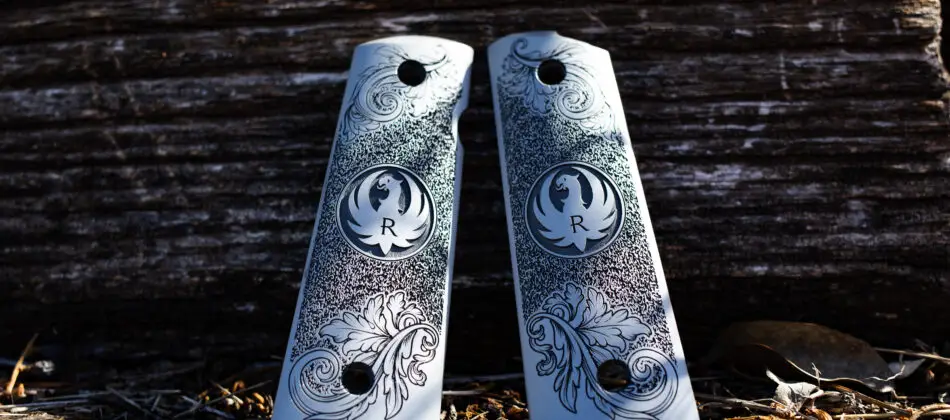
Laser Engraving for Businesses: Branding Products and Equipment
Laser Engraving for Businesses: Branding Products and Equipment
→ Mini excerpt / introduction to blog. For example: Learn how laser engraving transforms everyday products into meaningful personalized gifts and why engraved items create lasting memories.
In today’s competitive marketplace, branding goes past just your logo. It’s also the way your business communicates quality, professionalism, and trust at every touchpoint. For B2B companies in particular, consistency and durability matter. That’s where laser engraving stands out as a powerful solution. By permanently marking products, tools, and equipment, laser engraving helps businesses reinforce their brand while improving traceability, compliance, and perceived value.
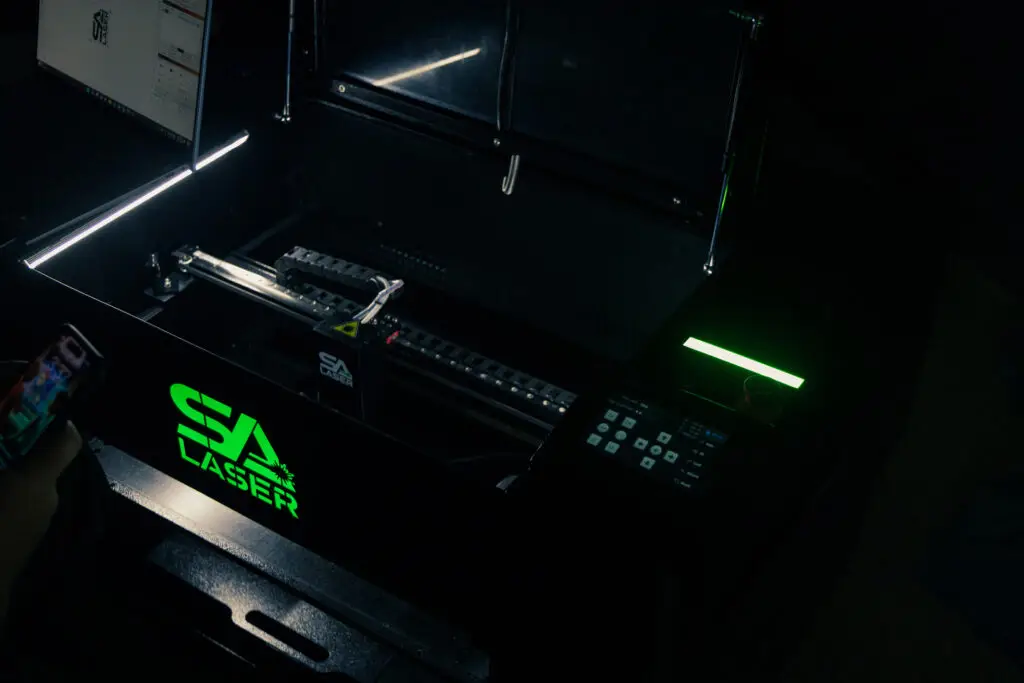
What Is Laser Engraving in a Business Context?
Laser engraving uses focused light energy to etch designs, text, or codes directly into a material’s surface. Unlike printing or labeling, which can fade, peel, or wear off, engraving creates a permanent mark. This makes it ideal for businesses that need long-lasting identification and branding across a wide range of materials, including metal, plastic, wood, glass, and coated surfaces.
For B2B applications, this permanence is key. Whether you’re marking industrial components or customizing client-facing products, laser engraving ensures your branding stays intact through daily use, shipping, and environmental exposure.
Why Businesses Are Turning to Laser Engraving
1. Durable, Professional Branding
Engraved logos and text don’t fade or rub off, even in harsh conditions. This durability reflects positively on your brand, signaling reliability and attention to detail. For industries like manufacturing, construction, and energy, where equipment is exposed to wear, this is especially valuable.
2. Enhanced Brand Recognition
Consistent branding across tools, equipment, and products helps reinforce your identity. When clients and partners repeatedly see your logo engraved on high-quality materials, it builds familiarity and trust over time.
3. Compliance and Traceability
Many industries require permanent marking for compliance, including serial numbers, QR codes, barcodes, and safety information. Laser engraving ensures these markings remain legible for the life of the product, supporting audits, warranties, and asset tracking.
4. Cost Efficiency Over Time
While the upfront cost of engraving may be higher than labels or printing, the long-term savings are significant. There’s no need for replacements, re-labeling, or maintenance, reducing operational costs over time.
Key B2B Applications of Laser Engraving
Product Branding and Private Labeling
Businesses that manufacture or distribute products can use laser engraving to apply logos, model numbers, and branding directly onto items. This is particularly useful for OEMs and private-label companies looking to maintain a premium, cohesive look.
Industrial Equipment Marking
From heavy machinery to handheld tools, engraving is widely used to mark company names, asset IDs, and safety instructions. This helps prevent loss, improves accountability, and ensures compliance with industry regulations.
Corporate Gifts and Promotional Items
High-quality engraved items—such as metal drinkware, tools, or executive gifts—offer a more premium alternative to printed merchandise. For B2B relationships, these items can leave a lasting impression on clients and partners.
Inventory and Asset Management
Laser engraving allows businesses to mark assets with unique identifiers like serial numbers or QR codes. This makes tracking equipment across job sites or facilities more efficient and reduces the risk of theft or misplacement.
Compliance and Regulatory Marking
Industries such as aerospace, automotive, and firearms require permanent markings for legal and safety reasons. Laser engraving ensures these markings meet strict standards for depth, clarity, and durability.

Industries Benefiting from Laser Engraving
Laser engraving is highly versatile, making it valuable across many sectors:
- Manufacturing: Part identification, branding, and traceability
- Construction: Tool and equipment marking for accountability
- Automotive: VIN plates, component labeling, and branding
- Medical Devices: Compliance markings and sterilization-resistant labels
- Firearms Industry: Required markings, customization, and branding
- Corporate Services: Branded merchandise and executive gifts
Each of these industries benefits from the same core advantage: permanent, high-quality markings that enhance both functionality and brand perception.
Materials Suitable for Engraving
One of the biggest advantages of laser engraving is its compatibility with a wide range of materials:
- Metals (steel, aluminum, brass, titanium)
- Plastics (including industrial polymers)
- Wood and leather
- Glass and ceramics
- Powder-coated and anodized surfaces
This flexibility allows businesses to standardize their branding across different product lines and equipment types without sacrificing quality or consistency.
Customization and Scalability
Laser engraving is not only precise but also highly scalable. Whether you need a single prototype or thousands of units, the process can be adjusted to meet your production needs. Modern laser systems can quickly switch between designs, making it easy to handle custom orders, variable data (like serial numbers), and batch production.
This level of customization is especially valuable for B2B companies that serve multiple clients or operate across different industries. You can tailor branding, labeling, and identification to meet specific requirements without slowing down production.
Elevating Your Brand with Laser Engraving
At its core, laser engraving is about more than marking a surface—it’s about reinforcing your brand in a way that lasts. Every engraved logo, serial number, or piece of equipment becomes a touchpoint that reflects your company’s standards and professionalism.
For businesses looking to stand out in a crowded market, this matters. Clients notice the difference between a temporary label and a permanent, precision-engraved mark. It communicates confidence, quality, and a commitment to doing things the right way.
Final Thoughts
Laser engraving offers a powerful combination of durability, precision, and versatility that makes it ideal for B2B branding and operational needs. From product labeling to equipment tracking and compliance, it provides a long-term solution that enhances both efficiency and brand perception.
As more businesses look for ways to differentiate themselves and streamline operations, laser engraving continues to prove its value. Investing in permanent, high-quality branding is a strategic decision that supports growth, trust, and long-term success.
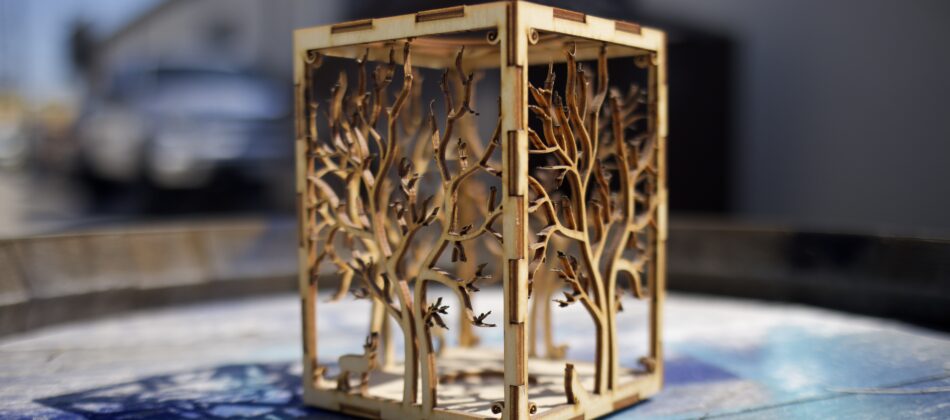
Deep Laser Engraving vs Surface Engraving: What’s the Difference?
Deep Laser Engraving vs Surface Engraving: What’s the Difference?
→ Discover the key differences between deep and surface laser engraving, how engraving depth affects durability, and why choosing the right method matters for lasting, professional results.
Laser engraving has transformed the way we personalize, brand, and secure products, from firearms to corporate awards, jewelry, and industrial parts. If you have explored laser engraving services, you may have encountered the terms deep engraving and surface engraving. While they can seem similar at first, understanding the distinction is essential for anyone who wants high-quality, long-lasting engraving. Let’s break it down in a way that is simple, engaging, and useful for both enthusiasts and professionals.
What is Surface Engraving?
Surface engraving, sometimes called shallow engraving, involves removing only the very top layer of a material. You can think of it as a delicate scratch that leaves a visible mark without affecting the structural integrity of the item. Laser surface engraving uses a focused laser beam to vaporize a thin layer of material, creating a design, text, or logo. The depth is typically very minimal, usually between 0.001 and 0.005 inches (25–125 microns). This makes it perfect for applications where appearance is more important than durability.
Surface engraving is commonly used for items such as nameplates, signage, decorative objects, branding on electronics or plastic, and tools that are not subject to heavy use. This method is valued for its speed, cost-effectiveness, and ability to achieve highly detailed, intricate designs. However, shallow engravings are less durable when exposed to repeated handling or harsh environments and may fade over time due to friction or chemical exposure. Surface engraving is ideal when precision and visual appeal are the primary goals, but durability is not a top concern.
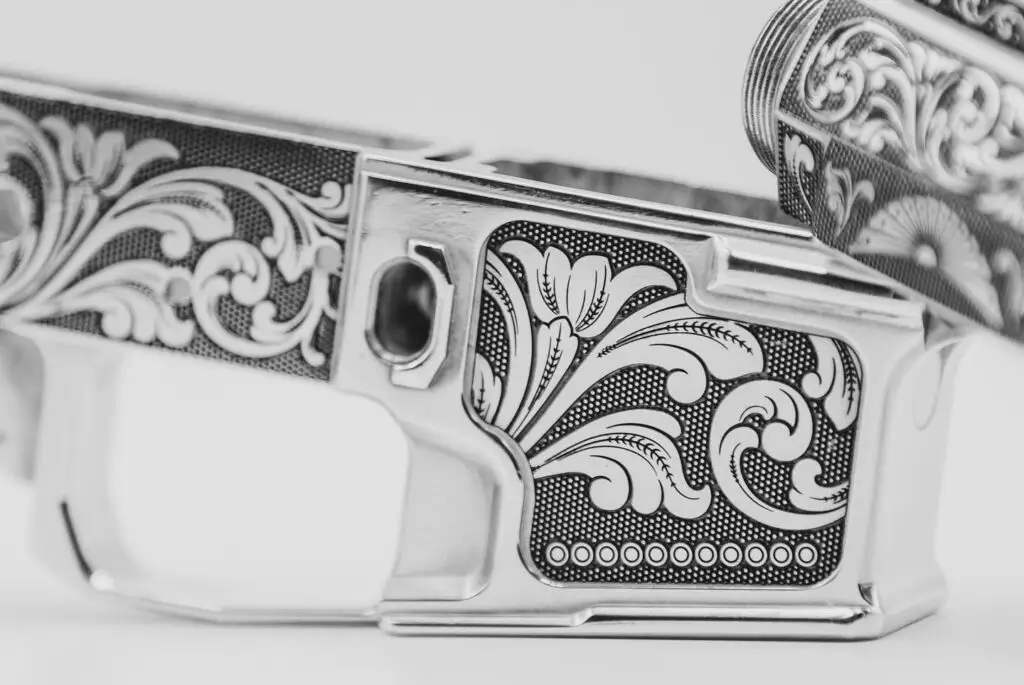
What is Deep Laser Engraving?
Deep laser engraving goes further by removing more material, producing a recessed mark that is physically etched into the object. The depth of deep engraving can range from 0.01 inches up to 0.05 inches (250–1250 microns) or more, depending on the material and the laser. This additional depth greatly increases both the durability and legibility of the engraving.
High-powered lasers, such as fiber lasers for metals or CO2 lasers for non-metal materials, are programmed to make multiple passes over the same area. This gradually carves the material to create a deep, robust engraving that can withstand wear, cleaning, and environmental exposure. Deep engraving is frequently used for firearms and components requiring legal marking, industrial tools and machinery, equipment that is handled frequently, and high-end jewelry or trophies where longevity is critical. Its main advantages include exceptional durability, resistance to chemicals and friction, a three-dimensional effect for added visual interest, and compliance with strict regulatory standards. While deep engraving takes longer and can be more expensive, it is essential for items that require long-lasting or legally mandated markings.
Engraving Depth and Its Impact on Durability
Engraving depth is one of the most important factors determining how long an engraving will last. The deeper the mark, the more resilient it is to wear and environmental stress. There are several reasons why depth matters. First, shallow engravings sit on the surface, which means repeated contact or friction can gradually remove the material, causing the mark to fade. Deep engravings embed the design into the item, providing a natural barrier against wear.
Second, surface engravings on metals, plastics, or wood may be vulnerable to corrosion, UV exposure, or cleaning chemicals, while deep engraving ensures the mark remains visible and intact even under harsh conditions. Third, deep engravings can be filled with paint, enamel, or resin to improve contrast and readability, which is especially important for serial numbers, identification marks, or branding that must be easily noticed. Fourth, for items like firearms, serialization, or safety equipment, deep engraving is often required by law, as regulations specify minimum depth and clarity for markings, which surface engraving might not satisfy.
Here is a concise summary of the impact of depth on durability:
Resistance to Wear: Deeper engravings withstand repeated handling and abrasion, while shallow engravings fade more easily.
Protection from Environmental Factors: Deep marks resist corrosion, UV exposure, and cleaning chemicals.
Enhanced Legibility: Filling deep engravings with paint or enamel improves readability, especially for legal or identification markings.
Compliance and Legal Standards: Deep engraving ensures marks meet regulatory requirements for serial numbers and safety labeling.
Materials and Considerations
The material of the item plays a major role in deciding whether surface or deep engraving is best. Metals, such as stainless steel and aluminum, respond well to both methods, but deep engraving provides extra durability for parts that are handled frequently. Wood works well for surface engraving if the goal is decorative, but deep engraving adds texture and longevity for heirloom-quality items. Glass and acrylic are typically surface engraved for aesthetics, although deep engraving can create striking three-dimensional effects. Plastics vary; thin plastics may crack under deep engraving, so surface engraving is generally safer. Understanding the material ensures you choose the right depth to balance performance and design intent.
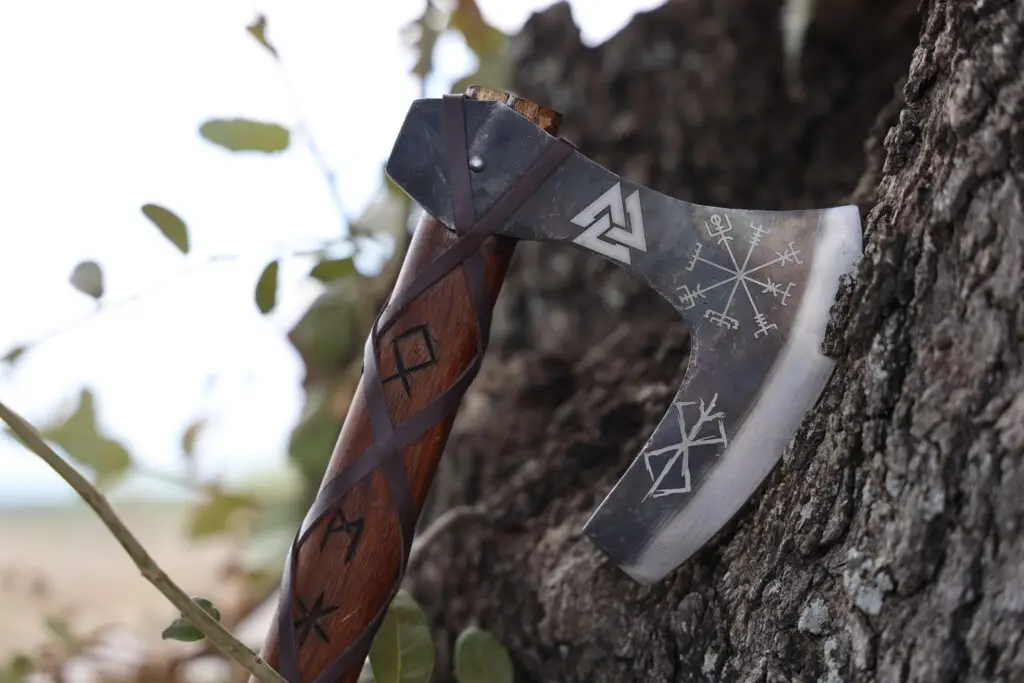
Why This Matters for Laser Engraving Businesses
For laser engraving businesses, understanding the difference between deep and surface engraving helps guide clients to make informed choices. Educating customers about durability, material compatibility, and the purpose of each engraving type builds trust and demonstrates professional expertise. Offering both surface and deep engraving options ensures that clients can select the right solution for their project, whether they are looking for decorative designs or functional, long-lasting marks. Local providers such as Texan Laser in San Antonio and Etch This Studio in Hunt County serve clients across San Antonio, Hunt County, and surrounding communities, showing how nearby experts can provide specialized, high-quality laser engraving for a variety of needs.
Final Thoughts
Choosing between deep and surface laser engraving ultimately depends on the purpose of your project. Surface engraving works best for crisp, detailed visuals on decorative items, while deep engraving is the superior choice for durability, legal compliance, or a tactile, long-lasting mark.
For laser engraving businesses, understanding and communicating these differences can make a significant impact. Highlighting the materials and depths you work with and explaining how your engravings withstand time, wear, and environmental challenges shows expertise and builds customer confidence. Whether for custom firearms, industrial tools, or personalized gifts, both deep and surface engraving have their place. Knowing when to use each ensures clients get exactly what they need.
Explore the possibilities of laser engraving and discover how working with a professional provider can elevate your products, meet compliance standards, and create lasting impressions. Surface engraving, deep engraving, and everything in between are now possible with precise laser technology.