
Tag: CO2 vs fiber laser
How to Start a Laser Engraving Business in 2026
How to Start a Laser Engraving Business in 2026: CO2 Laser Machines, Fiber Laser Engravers, and Profitable Custom Products
→ Thinking about starting a laser engraving business in 2026? Here’s how to choose the right machine, find profitable products, and turn engraving into income.
Laser engraving is one of the fastest-growing industries in 2026, and starting a laser engraving business has never been more accessible. With the right machine, marketing, and product ideas, you can build a profitable business creating custom engraved gifts, personalized wood products, acrylic signage, and metal engravings. Whether you’re looking to go full time or start part time, this guide will walk you through everything you need to know.
Why Start a Laser Engraving Business in 2026?
Laser engraving is one of the most flexible and profitable small business opportunities today. Engravers can customize wood, acrylic, glass, stone, leather, metals, and even firearms depending on the machine you choose.
Personalized gear, products and keepsakes are always in demand, and with the versatility of CO2 and fiber laser engravers, you can easily fill that market and grow your business. The low material cost, combined with the ability to sell high-margin custom work, makes laser engraving a smart way to build a profitable side hustle or even a full-time career.
- Affordable machines with professional-grade precision
- High-demand products across multiple industries
- Flexible business models, from online shops to local engraving services
- Creative freedom to design and sell unique, custom items
These benefits give you the tools and freedom to launch your laser engraving business confidently. By choosing the right products and approach, you can create a business that works for you.


Choosing Between CO2 and Fiber Laser Machines
The machine you choose is the foundation of your laser engraving business. CO2 and fiber lasers are the two main options, each with unique strengths that fit different business types.
Your choice of machine defines your capabilities. Here’s a quick breakdown:
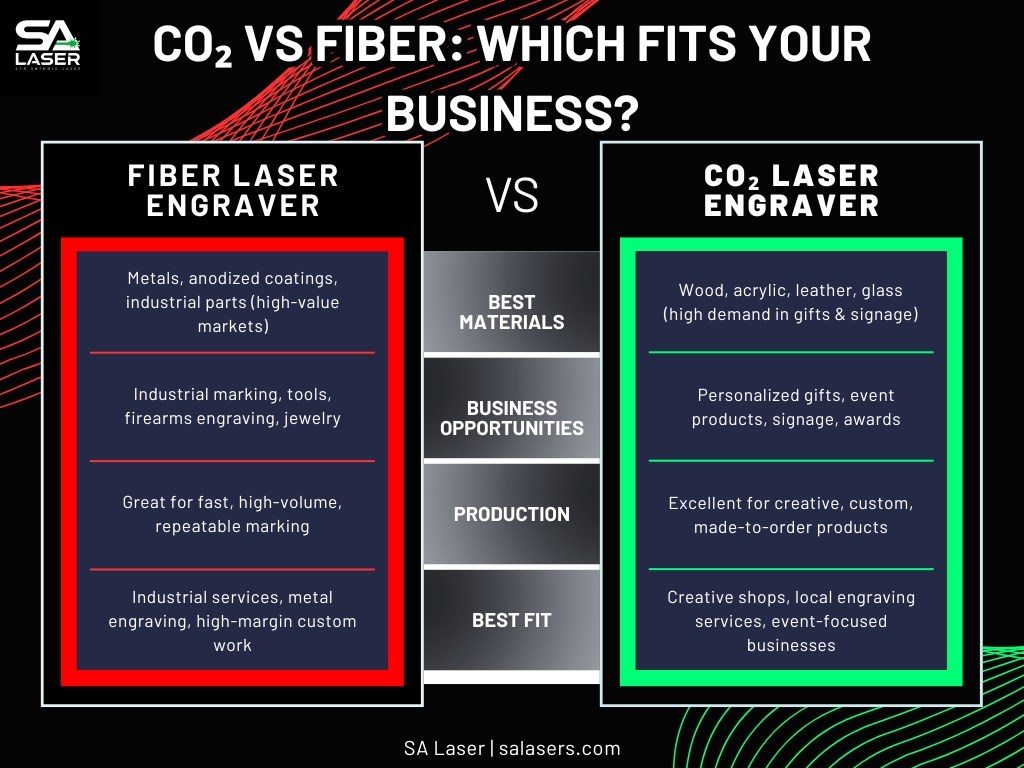
CO₂ lasers create a focused beam of light that easily engraves and cuts softer, organic materials. They’re the most popular entry point for small businesses thanks to their flexibility and affordability.
- Best For: Wood, acrylic, leather, glass, and plastic.
- Typical Uses: Personalized gifts, event decor (wedding signage, awards), branded packaging, and custom items like tumblers and plaques.
- Key Benefits: Wide material versatility, spacious work areas, smooth engraving finishes, and affordable startup cost.
- Considerations: Limited direct metal engraving (requires coatings or sprays) and needs ventilation for certain materials
Fiber lasers use advanced fiber-optic technology to produce a highly precise beam, making them ideal for engraving metals and certain plastics. They’re widely used in industrial and high-detail applications where durability and speed matter most.
- Best For: Stainless steel, aluminum, brass, titanium, coated metals, and select plastics.
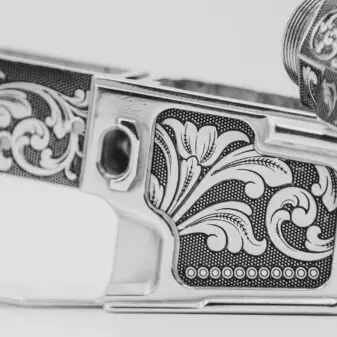
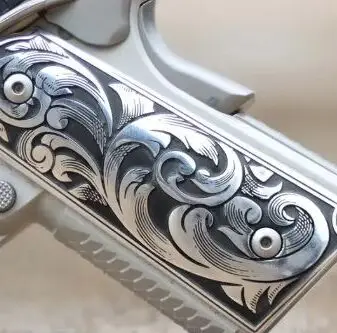
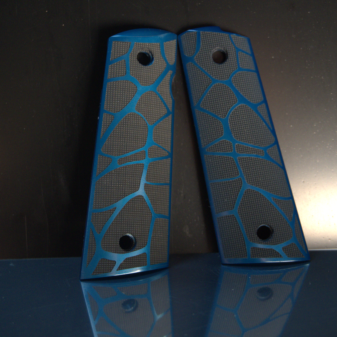
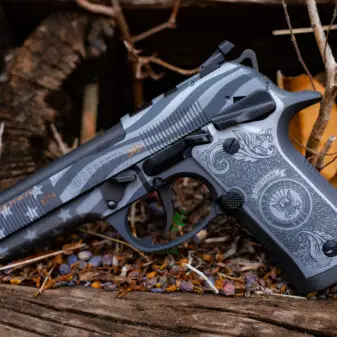
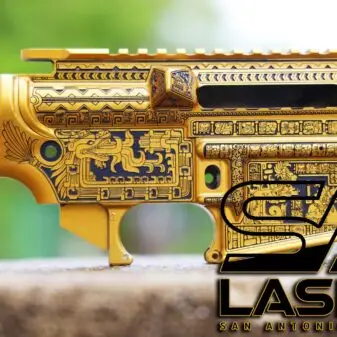
- Typical Uses: Industrial marking (parts, tools, barcodes), firearms engraving, jewelry, and custom metal products like knives, plaques, and tags.
- Key Benefits: Ultra-precise marking, permanent results, low maintenance, long lifespan, and fast production speeds.
- Considerations: Not suited for wood, acrylic, or leather projects; higher upfront investment compared to CO2.
*Fiber lasers also are great for gun shop owners because they deliver crisp, permanent marks on slides, receivers, barrels, and other metal parts. They handle fine logos, serial numbers, deep contrast engraving, and repeatable batch marking with excellent speed and edge definition. With rotary fixtures and the right lenses, fiber systems make high-quality cylindrical work fast and consistent — which is why many gun shop owners choose fiber laser systems to expand services and boost revenue.
Hybrid Laser Shops — Why Some Businesses Choose Both
Many successful laser engraving businesses combine CO2 and fiber laser systems to maximize versatility and income streams. This hybrid approach allows you to serve both creative and industrial markets.
For example, a hybrid setup allows a business to address multiple market needs seamlessly:
- Creative projects: A CO2 laser can produce intricate wedding signage, custom wood decor, acrylic displays, and personalized gift items such as cutting boards, plaques, or promotional products for events.
- Industrial and specialty marking: A fiber laser can handle high-precision marking and engraving for metal parts, tools, and components, including durable industrial identification and branding.
The hybrid approach offers a powerful advantage: it gives a business full material capability, an expanded client base, and the flexibility to handle diverse orders. While it requires more workspace and a larger equipment investment, the payoff is significant — opening opportunities to serve a wider range of industries and boosting revenue potential. Effective workflow management is key to making the most of both systems and ensuring smooth operation.
Planning & Growing Your Laser Business
Machine choice is only part of the journey; long-term success comes from smart business planning. Here are key areas every new engraver should consider:
Startup Costs & Budgeting: Plan for your laser machine, ventilation, software, raw materials, and any necessary shop setup. Entry-level CO₂ lasers may start under $10K, while fiber systems can run higher. Budgeting upfront prevents surprises.
Software & Design Tools: Most shops use design software like LightBurn for CO₂ machines and specialized programs for fiber marking. Strong design skills translate directly into higher-value products.
Legal & Licensing Basics: Depending on your state, you may need a business license, sales tax permit, or even an FFL (Federal Firearms License) if you’re engraving firearms. Handle compliance early to avoid setbacks.
Marketing & Customer Acquisition: Build your brand presence through social media, local networking, and an e-commerce site. Show off your projects online to attract both consumer and business clients.
Scaling & Growth Paths: Start small with gifts and signage, then expand into industrial contracts, corporate branding, or firearm engraving. Over time, you may add a second machine, hire staff, or specialize in high-demand niches.
With careful planning, the right tools, and a clear strategy, you’ll be ready to launch and grow your laser engraving business. These steps lay the groundwork for turning your vision into a sustainable and profitable venture.
Financing & Starter Bundles
Ready to Launch? We’ve Got You Covered
Software & Training
Master Your Machine & Your Craft
Licensing & Compliance
Compliance Made Clear
Marketing & Community
Market & Connect
Growth & Scaling
Unlock Your Business Potential
Key Questions Before Starting Your Laser Engraving Business
Before you buy your first machine or begin promoting your shop, it helps to ask yourself a few key questions. These are the same things that experienced engravers consider when building a strong business plan.
What types of products do you want to sell?
Are you drawn to personalized gifts, promotional items for businesses, industrial engraving, or home decor? Knowing your product focus will help you choose the right machine, materials, and marketing approach.
Have you researched your market?
Check platforms like Etsy, Amazon, and local engraving shops. See what’s popular and where there might be a gap you can fill. Market research helps you avoid overcrowded niches and find opportunities.
Will this be full time or part time?
Your time commitment shapes your investment. A full-time laser engraving business may require a higher-powered machine with faster production, while a part-time shop can start with a smaller setup and scale later.
Do you need a CO2 laser, a fiber laser, or both?
CO2 lasers: engrave wood, acrylic, leather, plastic, and glass. Perfect for signs, gifts, and home decor.
Fiber lasers: engrave metals like stainless steel, brass, and aluminum. Ideal for firearms, jewelry, tools, and industrial parts.
Some businesses start with one and eventually add the other for maximum versatility.
What precision level do you need?
Different projects require different levels of detail. High-end jewelry engraving needs extreme precision, while large signs or decor may not. Choosing the right precision level will help you avoid overspending on features you don’t need.
Do you need an FFL (Federal Firearms License)?
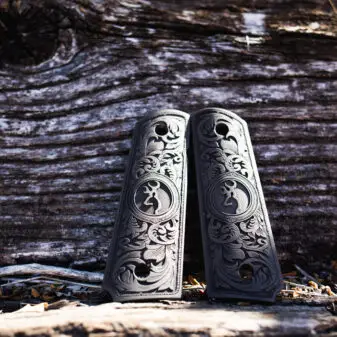
If you plan to engrave serialized firearm parts, you’ll need an FFL. You can still run a successful business engraving non-serialized accessories, custom grips, or decorative parts without one.
What are you selling, and how will you sell it?
Decide whether you’ll focus on online sales, local services, or both. Options include:
Online store or marketplace (Shopify, Etsy, Amazon Handmade)
Local engraving services for businesses, schools, and events
Direct-to-consumer products promoted through social media
Do you already have a social media or online presence?
A strong Instagram, TikTok, LinkedIn, or Facebook presence can showcase your work and attract customers. If you don’t have one yet, start building accounts now to share your designs and process.
Do you need financing options?
Laser engraving machines are an investment. Many business owners take advantage of financing plans to get started sooner without heavy upfront costs. Looking for an easier way to start? SA Laser financing can help you take the first step.
Answering these questions gives you a clear roadmap for launching a successful laser engraving business in 2026.
Take the First Step Toward Your Laser Engraving Business
Launching a laser engraving business in 2026 is more attainable than ever — but success comes from preparation. By answering the right questions, choosing the correct laser type, and building a clear business plan, you can avoid costly mistakes and accelerate your path to profitability. Whether your goal is a full-time engraving shop or a side hustle for extra income, CO₂ and fiber laser technology open doors to exciting creative and industrial markets. The key is to invest wisely, train thoroughly, and approach your business with intention.
Ready to launch your engraving business? Fill out the form to access your checklist and start building your plan with confidence. This guide will help you avoid common pitfalls, focus your efforts, and create a strong foundation for success. With SA Laser’s support, you’ll be able to move confidently from idea to income and build a business that lasts.

Laser Engraving 101: How to Choose a Laser Engraver
Laser Engraving 101: What Beginners Need to Know to Pick the Best Laser Engraver
Laser engraving is revolutionizing how small businesses, hobbyists, and creators customize products and add professional-quality detail. If you’re new to laser engraving and wondering how to choose the right laser engraving machine, this guide breaks down everything you need to know, from understanding laser types to selecting the best beginner laser engraver for your projects.
What Is Laser Engraving?
Laser engraving uses a focused laser beam to remove material from surfaces such as wood, acrylic, leather, glass, and metal, creating permanent marks, designs, and textures. Unlike traditional mechanical engraving, laser engraving is contactless, which means cleaner lines, finer details, and no tool wear. Most laser machines today offer both engraving and cutting capabilities, with adjustments in power and speed depending on your material and design.
Laser Engraving Basics
To choose the best laser engraver for your needs start by understanding key settings like power, speed, and resolution and how they affect your projects and materials. Taking the time to learn how these settings work will help you select a machine that delivers the results you want every single time.
Power: Look for a machine with adjustable power output. Beginners often benefit from 40 to 60 watts in CO₂ lasers to handle a wide variety of materials. Power affects how deep the laser cuts or engraves — too little won’t mark well, too much can damage delicate materials.
Speed: Speed controls how fast the laser head moves over your workpiece. Slower speeds increase engraving depth and detail but take longer. A machine with flexible speed settings lets you fine-tune for each material and design complexity.
Resolution (DPI): Resolution impacts engraving detail, especially in photos and shaded images. Higher DPI means sharper, finer engraving but slower processing times. For basic text or logos, lower DPI is sufficient and faster.
CO₂ vs Fiber Laser: Which Laser Engraver Is Right for You?
Choosing between a CO₂ laser and a fiber laser is one of the most important decisions when buying a laser engraving machine.
CO₂ Laser Engravers
Fiber Laser Engravers
For the best beginner laser engraver, CO₂ machines provide the greatest flexibility and ease of use. Fiber lasers serve professionals focused on metalwork and high-volume production.
Key Features to Look for in a Laser Engraver
Work Area (Bed Size):
Match your typical project size, small (12×8 in) for jewelry and small crafts, medium (24×18 in) for signs and trophies, or large (48×36 in+) for batch production and large-format cutting.
Power Rating:
For beginners, a 40 to 60 watt CO₂ laser is ideal for cutting and engraving a wide range of materials. Fiber lasers usually range 20 to 50 watts for metal marking.
Software Compatibility:
Choose machines compatible with popular laser software like LightBurn or RDWorks, which support vector and raster file formats (SVG, DXF, AI, JPG, PNG).
Safety and Ventilation:
Look for interlocks, emergency stops, and exhaust ports or filtration systems to manage fumes safely.
Training and Support:
Choose machines compatible with popular laser software like LightBurn or EZCAD2, which support vector and raster file formats such as SVG, DXF, AI, JPG, and PNG. At SA Laser, our SPARK Laser Training provides expert instruction on both fiber and co2 laser operation and software use, including detailed lessons on LightBurn. This course is designed to build your confidence and skillset from the ground up, helping you achieve great results with your laser machine.
Preparing Artwork for Laser Engraving
Before you start engraving, your artwork needs to be properly prepared. Laser machines follow exact paths and tones in your design, so getting the setup right is key to clean, accurate results.
Vector vs. Raster Files
Vector files (like SVG or DXF) are made of lines and shapes, perfect for cutting and scoring. Use thin lines (0.001″ stroke) to signal cut lines, and color-code layers — for example, red for cutting and blue for engraving.
Raster files (like JPG or PNG) are best for photos or detailed shading. Convert your image to grayscale, adjust contrast, and apply a dithering method like Jarvis or Floyd–Steinberg to get smoother tones.
Basic Techniques
Use alignment boxes or marks to position your artwork accurately on irregular items like tumblers or wood slabs.
Reverse engraving (where the background is engraved and the design is left untouched) can make text or logos stand out on darker materials.
For detailed raster engraving, stick to 250–300 DPI for clear image reproduction.
Always match your file’s dimensions to your machine’s bed size to avoid off-center jobs.
LightBurn is a great program for managing both vector and raster layers. It lets you assign different power and speed settings to each color-coded section for full control over your design.
Popular Materials for Laser Engraving
- Wood: Easy to cut and engrave, popular for signage and gifts.
- Acrylic: Produces clean, polished edges ideal for awards and displays.
- Leather: Used for custom patches, keychains, journals, and wallets.
- Glass: Suitable for personalized drinkware, plaques, and decorative pieces.
- Metal: Ideal for tags, tools, firearms, and industrial marking.


Basic Maintenance and Safety Tips
Regular cleaning of lenses and mirrors with isopropyl alcohol ensures consistent beam quality. Lubricate machine rails and bearings every 20 to 30 hours of use. Always ventilate fumes outdoors or use filtration systems, and never leave a running laser unattended.
Why SA Laser?
At SA Laser, we provide not just machines but a complete solution including expert training, comprehensive support, and community resources. Our turnkey laser systems come with two-year warranties, personalized Spark Training classes, and lifetime access to our online community where you can connect with top engravers nationwide.
Whether you’re buying your first laser engraver or scaling your business, SA Laser delivers quality machines, trusted expertise, and unmatched customer care.