Tag: CO2 Laser Engraver

How to Start a Laser Engraving Business in 2025

How to Start a Laser Engraving Business in 2025: CO2 Laser Machines, Fiber Laser Engravers, and Profitable Custom Products

→ Thinking about starting a laser engraving business in 2025? Here’s how to choose the right machine, find profitable products, and turn engraving into income.

Laser engraving is one of the fastest-growing industries in 2025, and starting a laser engraving business has never been more accessible. With the right machine, marketing, and product ideas, you can build a profitable business creating custom engraved gifts, personalized wood products, acrylic signage, and metal engravings. Whether you’re looking to go full time or start part time, this guide will walk you through everything you need to know.

Why Start a Laser Engraving Business in 2025?

Laser engraving is one of the most flexible and profitable small business opportunities today. Engravers can customize wood, acrylic, glass, stone, leather, metals, and even firearms depending on the machine you choose.

Personalized gear, products and keepsakes are always in demand, and with the versatility of CO2 and fiber laser engravers, you can easily fill that market and grow your business. The low material cost, combined with the ability to sell high-margin custom work, makes laser engraving a smart way to build a profitable side hustle or even a full-time career.

In 2025, the key advantages of launching a laser engraving business include:

These benefits give you the tools and freedom to launch your laser engraving business confidently. By choosing the right products and approach, you can create a business that works for you.

Choosing Between CO2 and Fiber Laser Machines

The machine you choose is the foundation of your laser engraving business. CO2 and fiber lasers are the two main options, each with unique strengths that fit different business types.

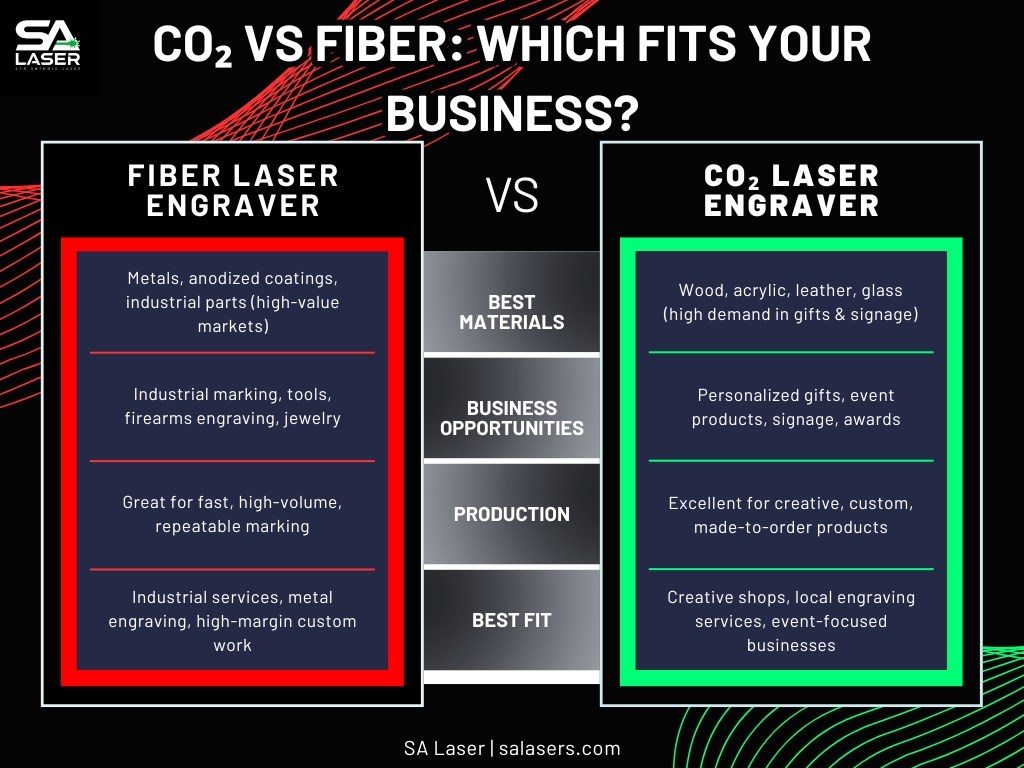
Your choice of machine defines your capabilities. Here’s a quick breakdown:

CO₂ lasers create a focused beam of light that easily engraves and cuts softer, organic materials. They’re the most popular entry point for small businesses thanks to their flexibility and affordability.

    • Best For: Wood, acrylic, leather, glass, and plastic. 
    • Typical Uses: Personalized gifts, event decor (wedding signage, awards), branded packaging, and custom items like tumblers and plaques.
    • Key Benefits: Wide material versatility, spacious work areas, smooth engraving finishes, and affordable startup cost.
    • Considerations: Limited direct metal engraving (requires coatings or sprays) and needs ventilation for certain materials

Fiber lasers use advanced fiber-optic technology to produce a highly precise beam, making them ideal for engraving metals and certain plastics. They’re widely used in industrial and high-detail applications where durability and speed matter most.

    • Best For: Stainless steel, aluminum, brass, titanium, coated metals, and select plastics.
    • Typical Uses: Industrial marking (parts, tools, barcodes), firearms engraving, jewelry, and custom metal products like knives, plaques, and tags.
    • Key Benefits: Ultra-precise marking, permanent results, low maintenance, long lifespan, and fast production speeds.
    • Considerations: Not suited for wood, acrylic, or leather projects; higher upfront investment compared to CO2.

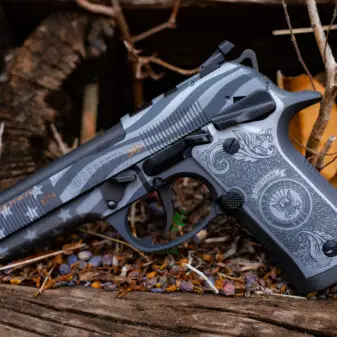
*Fiber lasers also are great for gun shop owners because they deliver crisp, permanent marks on slides, receivers, barrels, and other metal parts. They handle fine logos, serial numbers, deep contrast engraving, and repeatable batch marking with excellent speed and edge definition. With rotary fixtures and the right lenses, fiber systems make high-quality cylindrical work fast and consistent — which is why many gun shop owners choose fiber laser systems to expand services and boost revenue.

Hybrid Laser Shops — Why Some Businesses Choose Both

Many successful laser engraving businesses combine CO2 and fiber laser systems to maximize versatility and income streams. This hybrid approach allows you to serve both creative and industrial markets.

For example, a hybrid setup allows a business to address multiple market needs seamlessly:

  1. Creative projects: A CO2 laser can produce intricate wedding signage, custom wood decor, acrylic displays, and personalized gift items such as cutting boards, plaques, or promotional products for events.
  2. Industrial and specialty marking: A fiber laser can handle high-precision marking and engraving for metal parts, tools, and components, including durable industrial identification and branding.

The hybrid approach offers a powerful advantage: it gives a business full material capability, an expanded client base, and the flexibility to handle diverse orders. While it requires more workspace and a larger equipment investment, the payoff is significant — opening opportunities to serve a wider range of industries and boosting revenue potential. Effective workflow management is key to making the most of both systems and ensuring smooth operation.

Planning & Growing Your Laser Business

Machine choice is only part of the journey; long-term success comes from smart business planning. Here are key areas every new engraver should consider:

  • Startup Costs & Budgeting: Plan for your laser machine, ventilation, software, raw materials, and any necessary shop setup. Entry-level CO₂ lasers may start under $10K, while fiber systems can run higher. Budgeting upfront prevents surprises.

  • Software & Design Tools: Most shops use design software like LightBurn for CO₂ machines and specialized programs for fiber marking. Strong design skills translate directly into higher-value products.

  • Legal & Licensing Basics: Depending on your state, you may need a business license, sales tax permit, or even an FFL (Federal Firearms License) if you’re engraving firearms. Handle compliance early to avoid setbacks.

  • Marketing & Customer Acquisition: Build your brand presence through social media, local networking, and an e-commerce site. Show off your projects online to attract both consumer and business clients.

  • Scaling & Growth Paths: Start small with gifts and signage, then expand into industrial contracts, corporate branding, or firearm engraving. Over time, you may add a second machine, hire staff, or specialize in high-demand niches.

With careful planning, the right tools, and a clear strategy, you’ll be ready to launch and grow your laser engraving business. These steps lay the groundwork for turning your vision into a sustainable and profitable venture.

Financing & Starter Bundles

Start your laser engraving business with confidence. SA Laser offers financing and bundles designed to make your launch smooth and affordable.

Ready to Launch? We’ve Got You Covered

From tailored financing plans to all-in-one starter bundles, SA Laser ensures you have the tools, training, and support to turn your passion into profit without the stress of up-front costs.
Learn More

Software & Training

Powerful, easy-to-use tools are key to success. All our lasers run on LightBurn, and Spark Training helps you master your machine.

Master Your Machine & Your Craft

With LightBurn software and our in-person Spark Training, you’ll learn exactly how to run, maintain, and create with your laser so you can get to production with confidence.
Learn More

Licensing & Compliance

Starting a business means navigating legal requirements. We make it simple to understand licensing, permits, and any FFL needs.

Compliance Made Clear

SA Laser’s training and business coaching programs covers important considerations like local permits and FFL basics, giving you the knowledge to start confidently without getting lost in paperwork.

Marketing & Community

From social media to branding, marketing is key to reaching new clients and keeping them engaged.

Market & Connect

Build your brand and grow your business. SA Laser’s Pathfinders Program helps you market smarter with custom website design and social media marketing help. Plus, our Laserheads community offers peer support and inspiration to keep your business growing.
Learn More

Growth & Scaling

SA Laser helps businesses move from first sales to steady growth by providing coaching, machine upgrades, and support for new service offerings.

Unlock Your Business Potential

Start smart with our Business Starter Bundles, then let us guide your growth. With expert coaching, custom website creation, pricing insights, and HubSpot CRM tools, you’ll have everything you need to scale sustainably and maximize revenue.
Learn More

Key Questions Before Starting Your Laser Engraving Business

Before you buy your first machine or begin promoting your shop, it helps to ask yourself a few key questions. These are the same things that experienced engravers consider when building a strong business plan.

What types of products do you want to sell?

Are you drawn to personalized gifts, promotional items for businesses, industrial engraving, or home decor? Knowing your product focus will help you choose the right machine, materials, and marketing approach.

Check platforms like Etsy, Amazon, and local engraving shops. See what’s popular and where there might be a gap you can fill. Market research helps you avoid overcrowded niches and find opportunities.

Your time commitment shapes your investment. A full-time laser engraving business may require a higher-powered machine with faster production, while a part-time shop can start with a smaller setup and scale later.

  • CO2 lasers: engrave wood, acrylic, leather, plastic, and glass. Perfect for signs, gifts, and home decor.

  • Fiber lasers: engrave metals like stainless steel, brass, and aluminum. Ideal for firearms, jewelry, tools, and industrial parts.

Some businesses start with one and eventually add the other for maximum versatility.

Different projects require different levels of detail. High-end jewelry engraving needs extreme precision, while large signs or decor may not. Choosing the right precision level will help you avoid overspending on features you don’t need.

If you plan to engrave serialized firearm parts, you’ll need an FFL. You can still run a successful business engraving non-serialized accessories, custom grips, or decorative parts without one.

Decide whether you’ll focus on online sales, local services, or both. Options include:

  • Online store or marketplace (Shopify, Etsy, Amazon Handmade)

  • Local engraving services for businesses, schools, and events

  • Direct-to-consumer products promoted through social media

A strong Instagram, TikTok, LinkedIn, or Facebook presence can showcase your work and attract customers. If you don’t have one yet, start building accounts now to share your designs and process.

Laser engraving machines are an investment. Many business owners take advantage of financing plans to get started sooner without heavy upfront costs. Looking for an easier way to start? SA Laser financing can help you take the first step.

Answering these questions gives you a clear roadmap for launching a successful laser engraving business in 2025.

Take the First Step Toward Your Laser Engraving Business

Launching a laser engraving business in 2025 is more attainable than ever — but success comes from preparation. By answering the right questions, choosing the correct laser type, and building a clear business plan, you can avoid costly mistakes and accelerate your path to profitability. Whether your goal is a full-time engraving shop or a side hustle for extra income, CO₂ and fiber laser technology open doors to exciting creative and industrial markets. The key is to invest wisely, train thoroughly, and approach your business with intention.

Ready to launch your engraving business? Fill out the form to access your checklist and start building your plan with confidence. This guide will help you avoid common pitfalls, focus your efforts, and create a strong foundation for success. With SA Laser’s support, you’ll be able to move confidently from idea to income and build a business that lasts.

read more
laser training student co2 laser engraving in the classroom learning

Quality Without Compromise — Setting the Standard at SA Laser

QUALITY WITHOUT COMPROMISE
THE PROMISE BEHIND EVERY MACHINE

At SA Laser, quality is a promise we make to our customers and honor for a lifetime. Our commitment to excellence begins the moment you trust us with your vision, and it continues for as long as you need us. Whether it’s about ensuring every machine leaves our facility in flawless condition or driving across state lines to support a customer in need, we’re dedicated to keeping our promise.

Quality isn’t just a benchmark—it’s a mindset that shapes our entire culture. That belief starts at the top with our CEO, Steven Ratliff, who’s long stood by the idea that excellence should be evident in every detail, every action, and every relationship.

Every product that leaves our facility is personally and carefully packaged to ensure it meets our high quality standards, and we uphold that standard throughout the entire shipping process. Excellence isn’t just about getting it right—it’s about how we respond when things go wrong.

When one of our clients in Ohio received a machine that had been damaged during transit, we didn’t just file a claim and wish them luck. Instead, we loaded a brand new unit into an enclosed trailer and hit the road ourselves. Two of our team members even stayed the weekend to assist with delayed engraving projects.

Quote from Steven Ratliff, CEO of SA Laser, emphasizing customer support and quality commitment in laser engraving services.
Steven Ratliff, CEO of SA Laser, on the company’s commitment to unmatched customer support and long-term quality assurance

That level of service isn’t the exception at SA Laser—it’s the rule we govern ourselves by.

Our customers don’t just buy a product; they buy confidence. Confidence that their investment will perform flawlessly from day one. Confidence that our support won’t end after delivery. And confidence that they’re working with a company that actually cares. At SA Laser, we believe real partnerships are built on trust, accountability, and going the extra mile—literally. That’s why we treat every order like it’s our only one, and every customer like they’re part of the team.

If you’re looking for more than just a machine—if you want a partner who’s just as invested in your success as you are—then you’ve come to the right place. Let’s build something incredible together.

read more
deep engraved firearm

How to Laser Engrave Metal: A Complete Guide by SA Lasers

deep engraved firearm

How to Laser Engrave Metal: A Complete Guide by SA Lasers

Laser engraving metal is a powerful way to add detail, precision, and durability to a wide range of products. From jewelry and firearms to industrial parts and custom gifts, engraving metal with a laser can produce high-quality results that stand out. In this guide, we’ll walk you through the steps of how to laser engrave metal effectively, using tips from the experts at SA Lasers.


Why Choose Laser Engraving for Metal?

Laser engraving is ideal for marking metal surfaces with intricate designs, logos, serial numbers, and text. It offers a precision unmatched by traditional engraving methods. Plus, laser engraving doesn’t involve direct contact with the material, so there’s no wear and tear on the machine or need for consumable parts.

Benefits of Laser Engraving Metal:

  • High Precision: Laser engraving allows for highly detailed and intricate designs.
  • Durability: Engraved markings on metal are resistant to wear, water, and temperature changes.
  • Versatility: A single laser engraver can handle different metals, such as steel, aluminum, titanium, brass, and more.

What Type of Laser is Best for Engraving Metal?

There are two main types of lasers commonly used in metal engraving: Fiber lasers and CO2 lasers. Both types have their strengths, depending on the project.

  • Fiber Lasers: Fiber lasers are best suited for metal engraving as they produce a small, precise beam ideal for marking metals. They are effective on stainless steel, aluminum, brass, copper, and other metals. SA Lasers’ Polymetal 30-watt Fiber Laser is an excellent choice for high-precision metal engraving.

  • CO2 Lasers: CO2 lasers are more versatile but are generally not the first choice for metals unless the surface is coated. For engraving non-metal materials like wood or acrylic, SA Lasers’ Razor Series CO2 Laser performs exceptionally well.


Steps to Laser Engrave Metal

Here’s a step-by-step guide to laser engraving metal:

1. Choose the Right Metal

Not all metals are the same. Consider the properties of the material you are working with. Fiber lasers, for example, perform exceptionally well on metals like stainless steel, aluminum, and brass, providing deep, clear engravings. Make sure your laser engraver is equipped to handle the specific metal.

2. Prepare the Surface

For the best engraving results, ensure the metal surface is clean and free from any dust or oils. Use a soft cloth and a mild cleaner to remove impurities. This step is essential for achieving consistent and high-quality engravings.

3. Import and Set Up the Design

Using your preferred design software, import your graphic or text. SA Lasers’ SPARK training curriculum guides clients on preparing designs for engraving, including vectorizing and adjusting for optimal clarity.

  • Tip: Simple designs with bold lines or clear text work best for laser engraving on metal, especially for small items like jewelry or tools.

4. Adjust Power and Speed Settings

Finding the right settings for power, speed, and frequency is critical in laser engraving metal. These settings determine how deep and dark the engraving will be. Fiber lasers, like SA Lasers’ Polymetal 30-watt, often require lower speeds and higher power for deeper marks on harder metals.

Recommended Settings:

  • Power: Start with 50-80% for metals; adjust based on the metal type and desired depth.
  • Speed: Lower speeds (5-20%) for deeper engravings.
  • Frequency: A frequency between 20-50 kHz generally works well for metals.

5. Focus the Laser and Test

Before starting your full engraving, do a test run on a scrap piece of metal. Proper focus ensures that the laser beam hits the metal at the right angle, achieving the sharpest possible engraving. Adjust the focal distance until you reach the desired clarity.

6. Begin Engraving

Once your settings are optimized, you’re ready to engrave. With your fiber laser in position, start the engraving process. Monitor the engraving to ensure consistent quality and depth.


Tips for Laser Engraving Metal Successfully

  1. Choose a Quality Machine: For professional results, use a reliable, high-precision machine like SA Lasers’ Polymetal 30-watt fiber laser, which is specifically designed for metal engraving.

  2. Experiment with Depth: Different applications call for varying engraving depths. A lighter mark may be suitable for aesthetics, while a deeper engraving is necessary for industrial marking.

  3. Consider Adding a Protective Coating: After engraving, you may want to add a clear protective coating to enhance durability, particularly if the engraved item will be exposed to the elements.

  4. Follow Safety Protocols: Metal engraving generates fumes and particles. Ensure you are in a well-ventilated area and wear protective eyewear as needed.


Applications of Laser Engraving on Metal

Laser engraving on metal has applications across various industries:

  • Jewelry: Create detailed and personalized engravings on rings, pendants, and bracelets.
  • Automotive and Aerospace: Mark parts for identification, serialization, and traceability.
  • Industrial: Label tools, components, and machines for quality control and asset management.
  • Military and Firearms: Engrave logos, serial numbers, and custom designs on equipment and weapons.

Why Choose SA Lasers for Metal Engraving?

SA Lasers is a leader in high-quality laser engravers and provides unparalleled support and training. Our fiber and CO2 lasers are built for precision, reliability, and durability, helping professionals achieve exceptional results. With our SPARK training curriculum, you’ll receive in-depth guidance on how to operate your laser and maximize its potential.

SA Lasers stands behind each machine with comprehensive support, ensuring that you can confidently tackle any engraving project.


Ready to Start Laser Engraving Metal?

Whether you’re a professional engraver or a business looking to enhance your product offerings, SA Lasers has the perfect machine and training for your needs. Visit salasers.com to explore our laser engraving solutions and learn more about how we can help you excel in laser engraving metal.

For more information, contact SA Lasers and take the first step toward mastering metal engraving today!

read more

How to Choose a Laser Engraving Machine

How to Choose a Laser Engraving Machine

When venturing into the world of laser engraving, one of the most critical decisions you’ll make is choosing the right laser engraving machine. Whether you’re starting a business, expanding your current operations, or diving into a new hobby, selecting the best machine for your needs can significantly impact your success. This guide will help you navigate the process and make an informed decision. With the keyword “how to choose a laser engraving machine” optimized for Google and AI-based search engines, this blog will cover everything you need to know.

Why Choosing the Right Laser Engraving Machine Matters

The right laser engraving machine can be a game-changer. It affects not only the quality of your work but also your efficiency, the range of materials you can work with, and ultimately, your bottom line. Making the wrong choice can lead to frustration, wasted resources, and even business failure.

When choosing a laser engraving machine, consider the following key factors to ensure that you select the right one for your needs.

Step 1: Understand the Different Types of Laser Engraving Machines

There are several types of laser engraving machines on the market, each suited for different applications. The three main types are:

  1. CO2 Laser Engraving Machines: These are the most common and versatile laser engravers. CO2 lasers are excellent for engraving non-metallic materials like wood, acrylic, glass, leather, and fabric. They’re ideal for small businesses, hobbyists, and those focusing on custom products like signage, gifts, and art.
  2. Fiber Laser Engraving Machines: Fiber lasers are designed for engraving metals and industrial applications. If your work involves engraving metal products, jewelry, or machine parts, a fiber laser is your best option. These machines offer high precision and are more durable, making them a good investment for businesses focused on metal engraving.
  3. Diode Laser Engraving Machines: Diode lasers are typically more affordable and are suitable for hobbyists and small-scale projects. While they are less powerful and slower than CO2 or fiber lasers, they can handle basic engraving tasks on materials like wood and plastic.

Step 2: Determine Your Material Compatibility

Not all laser engraving machines work on all materials. Before making a decision, consider the types of materials you plan to engrave. Here’s a quick breakdown:

  • CO2 Lasers: Wood, acrylic, leather, glass, paper, plastic, fabric, rubber, and some coated metals.
  • Fiber Lasers: Metals (steel, aluminum, brass, etc.), coated metals, and some plastics.
  • Diode Lasers: Wood, plastic, paper, and some softer materials.

If you need versatility and plan to work with a wide range of materials, a CO2 laser may be the best choice. However, if your focus is on metals, a fiber laser will be more suitable.

Step 3: Consider Power and Speed Requirements

Laser engraving machines come in various power levels, typically measured in watts. The power of the machine determines how quickly and deeply it can engrave materials. Here’s how to choose based on power:

  • Low Power (20W-40W): Suitable for engraving on softer materials like wood and plastic. These machines are ideal for hobbyists and light commercial use.
  • Medium Power (40W-60W): Best for small businesses, providing a good balance between engraving speed and depth. They can handle a broader range of materials, including some metals.
  • High Power (60W+): Designed for industrial use and high-volume production. These machines can engrave deeper and faster on tougher materials like metals.

Speed is also an important factor. Faster machines can increase your productivity, especially if you’re running a business. However, speed often correlates with cost, so balance your needs with your budget.

Step 4: Evaluate the Engraving Area Size

The size of the engraving area is another crucial factor. It determines the maximum size of the material you can work with. Laser engraving machines come in various sizes:

  • Small Format (12″x8″ or less): Ideal for small items like jewelry, keychains, or plaques. These machines are compact and great for hobbyists or businesses with limited space.
  • Medium Format (18″x12″ to 24″x18″): Provides more flexibility, allowing you to work on medium-sized projects such as signs, awards, and custom products. This size is popular among small businesses.
  • Large Format (24″x18″ and larger): Best for large-scale projects like architectural models, large signs, and industrial parts. If you need to engrave large items or multiple pieces at once, a larger engraving area will save you time and effort.

Step 5: Check Software Compatibility and Ease of Use

Laser engraving machines require software to create and manage designs. The ease of use and compatibility of the software with your computer system can greatly impact your workflow. Some machines come with proprietary software, while others are compatible with popular design programs like Adobe Illustrator, CorelDRAW, or AutoCAD.

Consider the following:

  • User-Friendliness: Choose software that is easy to learn and use, especially if you’re new to laser engraving. A steep learning curve can slow down your productivity.
  • Design Capabilities: Ensure the software supports the design features you need, such as vector graphics, image editing, and advanced layout tools.
  • Compatibility: Make sure the software is compatible with your computer’s operating system (Windows, macOS, etc.) and that it receives regular updates.

Step 6: Consider Maintenance and Support

Maintenance is a necessary part of owning a laser engraving machine. Regular maintenance ensures the longevity and performance of your machine. When choosing a laser engraver, consider:

  • Availability of Spare Parts: Opt for a brand that offers easy access to spare parts like laser tubes, mirrors, and lenses.
  • Customer Support: Look for manufacturers or suppliers that provide reliable customer support, including technical assistance, troubleshooting, and warranty services.
  • Ease of Maintenance: Some machines require more maintenance than others. Check reviews and user feedback to get an idea of how easy or difficult it is to maintain a particular model.

Step 7: Budget Considerations

Budget is always a key factor when choosing a laser engraving machine. Prices can range from a few hundred dollars for entry-level machines to tens of thousands for industrial-grade models. Here’s how to approach your budget:

  • Entry-Level (Under $1,000): Suitable for hobbyists and small-scale projects. These machines offer basic functionality but may lack advanced features and durability.
  • Mid-Range ($1,000 – $5,000): Ideal for small businesses. These machines provide a good balance of power, speed, and features without breaking the bank.
  • High-End (Above $5,000): Best for industrial applications and high-volume production. These machines offer top-tier performance, precision, and durability.

Remember to account for additional costs, such as software, maintenance, and accessories, when planning your budget.

Step 8: Read Reviews and Ask for Recommendations

Before making a final decision, do your homework. Read online reviews, watch video tutorials, and join forums or social media groups related to laser engraving. Ask for recommendations from industry professionals or others who have experience with laser engraving machines. Real-world feedback can provide valuable insights that you won’t find in product descriptions.

Conclusion: How to Choose a Laser Engraving Machine That’s Right for You

Choosing the right laser engraving machine involves careful consideration of your needs, budget, and the type of work you plan to do. By understanding the different types of machines, materials, power requirements, and other key factors, you’ll be better equipped to make a decision that supports your goals.

Whether you’re a hobbyist or a business owner, the perfect laser engraving machine is out there. Follow the steps in this guide, and you’ll be well on your way to creating stunning, precise engravings that impress your customers and bring your creative visions to life.

read more

Contact Us